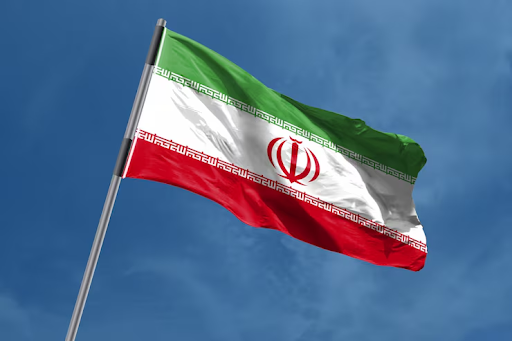
The economic consequences of the Iran war reached a new level of severity on Wednesday as Iran’s continued blockade of the Strait of Hormuz kept global oil markets under extreme pressure, with the energy crisis beginning to affect consumer prices across multiple continents. The shutdown of the strait — through which approximately 20% of the world’s oil supply passes — was described by market analysts as the worst energy supply disruption in decades. Iran’s rejection of the US ceasefire proposal, which had included reopening the strait as a core condition, offered little prospect of immediate relief.
The 15-point American ceasefire framework, delivered through Pakistani intermediaries, also sought nuclear disarmament, missile restrictions, and sanctions relief. Iran found the package entirely unsatisfactory, with an unnamed official confirming through state television that the country had rejected the plan and would fight on until its own demands were met. Those demands, articulated in a five-point counter-proposal, included an end to all strikes on Iranian officials and soil, security guarantees, reparations, and continued Iranian sovereign control over the Strait of Hormuz.
On the military front, Israel carried out another broad wave of strikes across Iran including a submarine development centre in Isfahan, and Iran retaliated with ballistic missiles at Israel and drones at Gulf nations. Kuwait’s airport was hit, causing a serious fire, and the country arrested six people linked to an alleged Hezbollah assassination plot against Kuwaiti leaders. Saudi Arabia’s air defences intercepted eight Iranian drones near its oil infrastructure. American forces had struck over 10,000 targets in Iran, destroying most of its largest naval vessels and much of its missile manufacturing capacity.
The domestic and international political cost of the energy crisis was mounting rapidly. In the United States, President Trump’s approval rating had fallen to 36% — the lowest of his presidency — with 59% of Americans saying the war had gone too far. Fuel prices were the primary driver of public discontent, and the White House was under growing pressure to find an exit. Internationally, China, Egypt, and Pakistan were all urging dialogue, while Egyptian and Pakistani officials held out hope for direct talks between Washington and Tehran by Friday — though the two sides’ stated ceasefire conditions appeared fundamentally incompatible.
Iran warned that any US attempt to seize Kharg Island to force open the Hormuz strait would result in carpet-bombing and mass American casualties, and threatened attacks on Red Sea shipping if a ground invasion occurred. The 82nd Airborne Division was being deployed to the region, maintaining the credibility of the military option. The parliament speaker warned that any regional country assisting in a Kharg operation would face relentless Iranian strikes on its infrastructure. With economic pain spreading and diplomacy stalled, the pressure on all parties to find a resolution was enormous — but the conditions for one had not yet materialised.