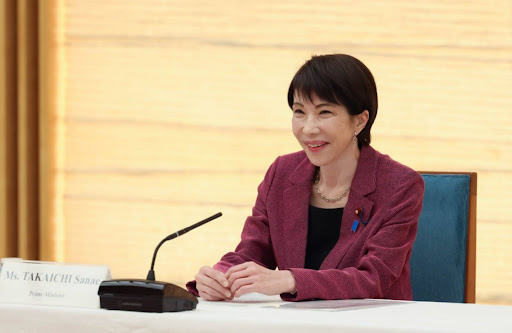
Japan is drawing long-term lessons from its current energy dependency crisis as it announces the country’s largest-ever strategic oil release. Prime Minister Sanae Takaichi confirmed that about 80 million barrels of state crude — 45 days of domestic demand — will be released to refiners this week. A prior 15-day release from private-sector reserves was approved last week. The action is driven by the US-Israel conflict with Iran and the risk to the Strait of Hormuz, through which Japan imports over 90% of its crude oil.
The current crisis is forcing a national reckoning with the structural risks of near-total energy import dependency. Japan’s policymakers are managing the immediate emergency while also beginning to grapple with longer-term questions about energy diversification and resilience. Takaichi declined US President Trump’s request for military engagement, citing the constitution, and has committed to diplomatic tools. The immediate response, however, is focused on deploying reserves and subsidies.
The 80 million barrel drawdown is 1.8 times the emergency release after Fukushima in 2011. Japan holds approximately 470 million barrels of total reserves, covering roughly 254 days of domestic consumption. Officials say the release is manageable and does not undermine Japan’s strategic reserve position. Further action is available if the situation worsens.
Fuel subsidies cap retail petrol at ¥170 per litre after record highs of ¥190.8. Weekly reviews keep the policy calibrated to oil market conditions. Consumer groups have welcomed the intervention as necessary and well-designed. Together with the reserve releases, the subsidies form a comprehensive emergency energy framework.
Toilet paper panic has spread on social media, triggering unnecessary hoarding. The trade ministry confirmed that 97% of Japan’s toilet paper is produced domestically from recycled materials with no oil import dependency. Industry groups confirmed supply stability. Even as Japan manages the immediate crisis, its leaders are already looking to the longer-term task of reducing the structural vulnerabilities that the current emergency has exposed so starkly.